The Future of Electronic Security: Trends and Innovations in 2025
# The Future of Electronic Security: Trends and Innovations in 2025
In an era where security threats are constantly evolving, staying ahead with the latest technology is essential. Electronic security systems have undergone a massive transformation, integrating artificial intelligence (AI), automation, and advanced surveillance techniques. As we enter 2025, the industry is poised for groundbreaking innovations that will redefine safety for homes, businesses, and public spaces. Let’s explore some of the key trends shaping the future of electronic security.
## 1. **AI-Powered Surveillance Systems**
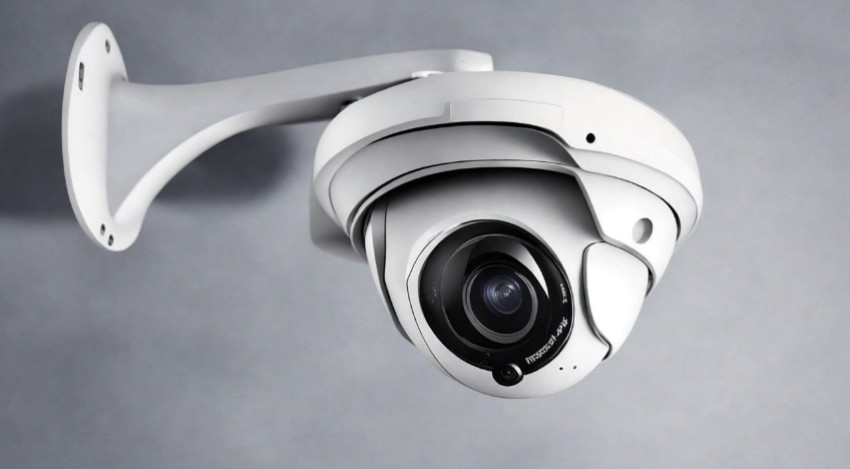
Artificial Intelligence (AI) has significantly enhanced security surveillance, making it more proactive rather than reactive. Modern AI-powered security cameras can:
- Detect and recognize faces in real-time.
- Identify suspicious activities based on behavioral analysis.
- Reduce false alarms by differentiating between humans, animals, and objects.
- Send instant alerts to security personnel for immediate response.
These intelligent systems minimize the need for manual monitoring while improving accuracy and efficiency.
## 2. **Biometric Authentication and Access Control**
Traditional access control methods such as keycards and passwords are becoming obsolete. In 2025, biometric security is taking center stage with:
- **Facial Recognition:** Used for seamless entry into offices, residential buildings, and restricted areas.
- **Fingerprint and Palm Vein Scanning:** More reliable than keycards, eliminating the risk of unauthorized access.
- **Voice Recognition:** A growing trend in smart home and corporate security solutions.
Biometric authentication ensures that only authorized individuals can access sensitive areas, reducing security breaches.
## 3. **IoT-Integrated Smart Security Systems**
The Internet of Things (IoT) has revolutionized security by interconnecting devices for real-time monitoring and automation. Smart security systems allow:
- Remote access to security cameras via mobile apps.
- Automatic door locking and unlocking based on geolocation.
- Integration with fire alarms, motion detectors, and emergency response systems.
- Cloud storage for video footage, eliminating reliance on physical storage.
Businesses and homeowners can monitor their properties from anywhere, ensuring round-the-clock protection.
## 4. **Cloud-Based Security Solutions**
Cloud technology has made security systems more scalable and efficient. Key benefits include:
- **Remote Data Access:** Security footage and logs can be accessed from any location.
- **Enhanced Data Protection:** Encrypted cloud storage reduces the risk of data theft or loss.
- **Scalability:** Businesses can expand their security systems without investing in expensive infrastructure.
Cloud-based security solutions are becoming the preferred choice for enterprises due to their flexibility and cost-effectiveness.
## 5. **Cybersecurity for Electronic Security Systems**
As electronic security becomes more connected, the risk of cyber threats increases. Hackers can target surveillance systems, access control networks, and even biometric databases. The latest cybersecurity measures include:
- Multi-factor authentication for security devices.
- End-to-end encryption for data transmission.
- AI-driven threat detection to identify and neutralize cyber attacks.
- Regular software updates to patch vulnerabilities.
Ensuring cybersecurity in electronic security systems is now as critical as physical security itself.
## 6. **Drones for Security and Surveillance**
Drones equipped with high-definition cameras and AI-powered analytics are becoming an essential part of security operations. They are used for:
- Monitoring large-scale events and industrial areas.
- Conducting real-time aerial surveillance.
- Assisting law enforcement in crime prevention and investigations.
With advancements in drone technology, security teams can now get a bird’s-eye view of critical areas, enhancing overall safety.
## 7. **5G-Enabled Security Devices**
The rollout of 5G networks has paved the way for ultra-fast, real-time security monitoring. Benefits include:
- Faster response times for emergency alerts.
- Seamless streaming of high-resolution surveillance footage.
- Reduced latency in smart security automation.
With 5G connectivity, electronic security systems will become more efficient, responsive, and reliable.
Conclusion
The future of electronic security in 2025 is driven by smart technology, AI, and automation. As threats become more sophisticated, security solutions must evolve to provide proactive and foolproof protection. At **Hawksight Technologies**, we are committed to integrating these cutting-edge innovations to safeguard homes, businesses, and public spaces. Whether you need AI-powered surveillance, biometric access control, or cloud-based security, we have the expertise to meet your needs.
Stay ahead of security threats—embrace the future with Hawksight Technologies! For inquiries, contact us today.